

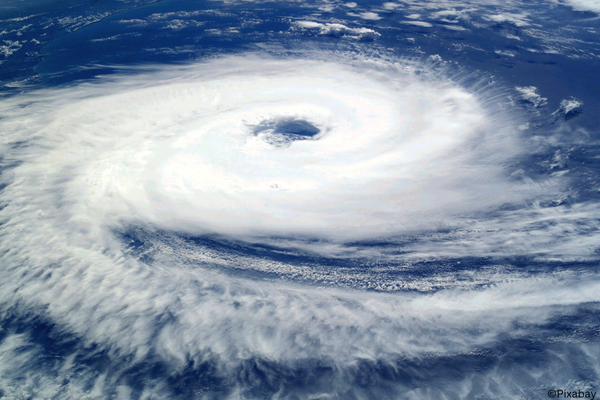
On 21 and 22 September 2026, the Greater Tokyo Area and neighbouring prefectures were hit by Typhoon Dujuan. The 25th typhoon of the season swept along the east coast of Japan with wind speeds of up to 144 km/h, bringing with it extreme rainfall. According to the Japan Meteorological Agency, rainfall in some areas within two days exceeded the total monthly average for September.
As a result of the persistent heavy rainfall and landslides, at least four people lost their lives in Chiba and Kanagawa prefectures, whilst others are still missing. Due to the soil being thoroughly saturated, the disaster management authorities continued to issue warnings on 23 September about the risk of further landslides.
The extreme weather event caused significant disruption to critical infrastructure and essential services. In the areas surrounding the capital, more than 9,000 households were temporarily affected by power cuts after gusts of wind and landslides damaged sections of the power lines. The authorities issued precautionary evacuation advisories for up to 1.6 million residents.
The transport sector experienced widespread disruption on 21 and 22 September: more than 270 flights were cancelled, and services on several railway lines in the prefectures of Chiba, Kanagawa and Shizuoka had to be temporarily suspended. In addition, major events in the Greater Tokyo Area were brought to an early close or cancelled. These severe weather events highlight the complexity of cascading risks when extreme rainfall strikes densely populated urban areas and unstable slopes.
Further information can be found here.
(Image source: Pixabay)