

Newsblog
Page 1 of 20
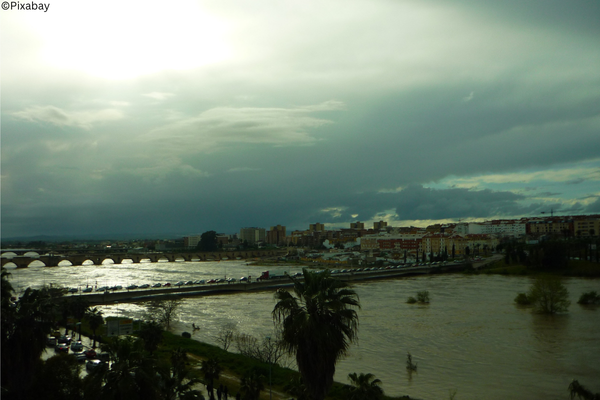
Extreme weather in Spain: Storm system causes severe flooding on the Mediterranean coast
A violent storm system has caused extreme rainfall and severe flooding in south-eastern Spain. In the provinces of Valencia and Alicante in particular, more than 600 litres of rain per square metre fell in some places within 24 hours; in some places more than double the average annual rainfall. The enormous volumes of water flooded […]

International Day for Disaster Risk Reduction (IDDRR) | Event List
The International Day for Disaster Risk Reduction (IDDRR) takes place annually on 13 October and aims to raise awareness of disaster risks and their impacts. Established by the United Nations, this international observance highlights the importance of prevention, preparedness and resilience in addressing disasters and climate-related risks. It provides an opportunity to draw attention to […]

Responsible AI in a Global Context Professional Certificate by the United Nations University
Artificial intelligence is increasingly transforming society, the economy and public institutions. With the free Professional Certificate “Responsible AI in a Global Context”, the United Nations University (UNU), in collaboration with Microsoft and LinkedIn Learning, provides an introduction to the global impacts, risks and responsible use of artificial intelligence. The certificate programme consists of three courses […]
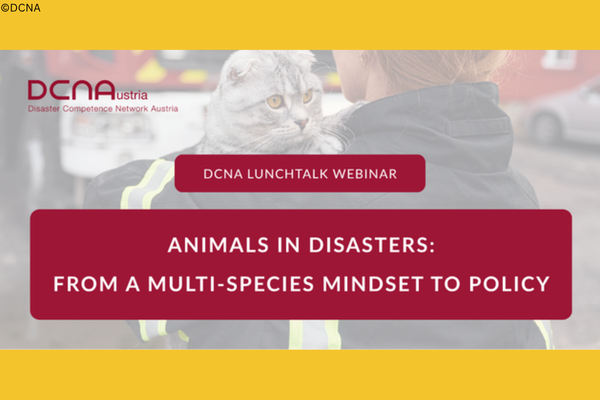
DCNA Webtalk: Animals in Disasters
This coming Thursday, October 1, 2026, from 13:00 to 14:30 CEST, the Disaster Competence Network Austria (DCNA) is hosting an online talk focusing on the integration of animals into disaster risk management. Extreme weather events such as heatwaves and floods continually demonstrate that pets, livestock, and wildlife are often overlooked in traditional emergency preparedness and […]

WorldRiskReport 2026 Published: Focus Topic Storms
Extreme natural events such as tropical storms, heavy rainfall, or earthquakes cause severe impacts worldwide every year. However, whether a natural hazard turns into a disaster depends only in part on the physical force of the event itself. Societal framework conditions are equally decisive: the resilience of infrastructure networks, public health capacity, and underlying levels […]
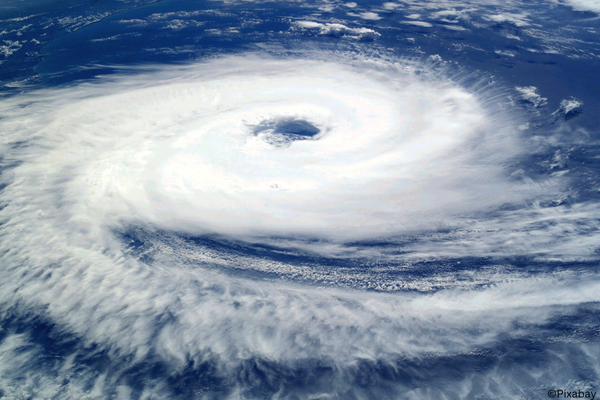
Typhoon Dujuan hits Tokyo: Severe storm claims lives and puts strain on infrastructure
On 21 and 22 September 2026, the Greater Tokyo Area and neighbouring prefectures were hit by Typhoon Dujuan. The 25th typhoon of the season swept along the east coast of Japan with wind speeds of up to 144 km/h, bringing with it extreme rainfall. According to the Japan Meteorological Agency, rainfall in some areas within […]
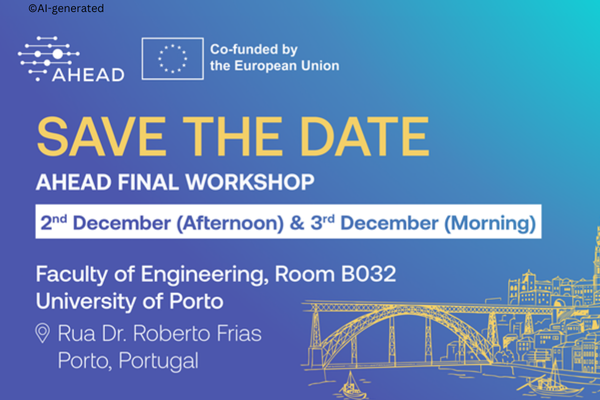
AHEAD Final Workshop in Porto
As the AHEAD (Advanced disaster damage and loss data information system for enHancEd impAct-baseD knowledge) project approaches the end of its activities, we are pleased to invite stakeholders to the project’s final workshop, taking place in Porto, Portugal, on 2-3 December 2026. Over the past years, the AHEAD consortium has worked collaboratively to develop an […]
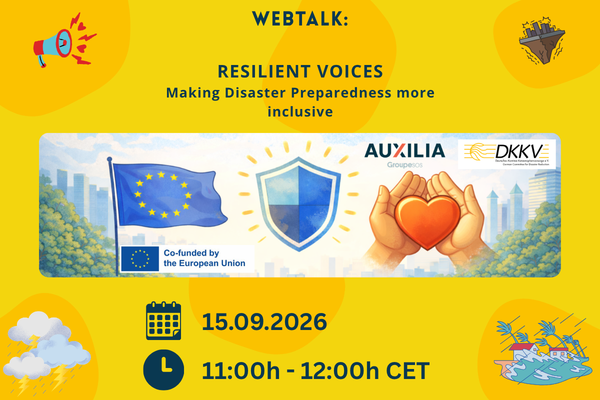
Webtalk on the Erasmus+ Project “RESILIENT VOICES” Now Available on YouTube
How can risk information be communicated in a way that reaches and is understood by everyone? The Erasmus+ project RESILIENT VOICES addressed this question, and its key findings were presented on September 15, 2026, during an interactive WebTalk. Extreme weather events such as floods, storms, and heat waves pose growing challenges for local communities and […]
RESILIENT VOICES WebTalk: Making Disaster Preparedness More Inclusive
How can we ensure that everyone receives, understands, and can act on risk information before, during, and after disasters? As climate-related hazards such as floods, storms, and heatwaves become more frequent across Europe, vulnerable groups—including older adults, people with disabilities, and people with migration backgrounds—often face additional barriers to preparedness, participation, and access to information. […]