

The DKKV is…
German Committee for Disaster Reduction e.V. (ger.: Deutsches Komitee Katastrophenvorsorge e.V.)
Newsblog

DKKV Promotional Award 2026 now open for submissions
The German Committee for Disaster Reduction (DKKV) is once again announcing its annual award for 2026. The award recognizes outstanding Bachelor’s and Master’s theses in the field of disaster risk reduction and disaster risk management. The award is aimed in...

GNDR Global Summit 2026
The GNDR Global Summit 2026 took place online from 24–27th of March 2026, bringing together civil society organisations, practitioners, and partners from across the world for four days of exchange, collaboration, and strategic dialogue. The opening day set an...
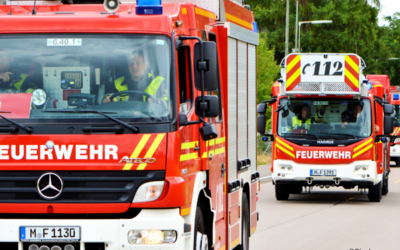
Save the Date: FLORIAN 2026
Die FLORIAN – Fachmesse für Feuerwehr, Zivil- und Katastrophenschutz findet vom 8. bis 10. Oktober 2026 erneut in Dresden statt. Als eine der wichtigsten Fachmessen für Feuerwehr, Rettungsdienst sowie den Zivil- und Katastrophenschutz bringt die FLORIAN auch in diesem...
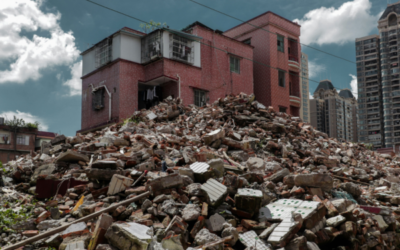
New Topic Page Disaster Waste Management
The DKKV’s topic pages provide scientifically sound and visually engaging coverage of key topics in the fields of natural hazards and civil protection, as well as various approaches, concepts, crises and other risks. Following the coverage of disaster waste management...
Follow us


What is disaster risk reduction?
Storms, natural hazards and extreme events can quickly become a danger to people and the environment. But climate change, extreme urbanization, power outages and fires also offer potential hazards.
A disaster occurs when the functioning of a community or society is impaired or interrupted and, as a result, high human, material, economic and ecological losses occur that cannot be managed alone.
Precautionary measures can help to reduce the consequences and impact of the disaster. Depending on the hazard and personal circumstances, the precautionary measures to be taken may vary.
Find out more about potential hazards and individual precautionary measures on our topic pages.