

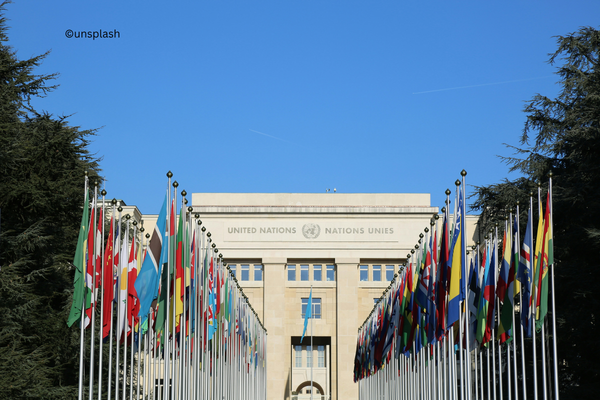
The October newsletter of the United Nations Office for Disaster Risk Reduction (UNDRR) Regional Office for Europe and Central Asia provides a comprehensive overview of current developments, initiatives and events related to disaster risk reduction and resilience. Key topics include strengthening risk communication, protecting critical infrastructure and promoting local resilience. Among other things, the newsletter highlights UNDRR’s planned participation in the 9th European Civil Protection Forum in Brussels, where discussions will address issues such as countering misinformation and the role of local networks in disaster preparedness. It also announces a change of dates for the Europe and Central Asia Regional Platform for Disaster Risk Reduction, which will now take place from 9 to 11 June 2027 in Bucharest.
Another major focus is international cooperation and practical measures to reduce disaster risks. The newsletter covers the visit of the UN Secretary-General’s Special Representative for Disaster Risk Reduction, Kamal Kishore, to Brussels and his discussions with European policymakers on risk-informed investment and cross-border cooperation. It also highlights activities surrounding the International Day for Disaster Risk Reduction and World Tsunami Awareness Day. Further contributions explore lessons from Europe’s extreme summer heat in 2026 and preparations for future heatwaves, inclusive crisis communication and efforts to strengthen local resilience in Albania. Other topics include youth engagement in disaster risk reduction in Albania, regional cooperation in Central Asia, an interagency workshop in Georgia and disability-inclusive disaster preparedness in Tajikistan.
In addition to regional initiatives, the issue explores new approaches and tools for disaster management. These include a new webinar series on the use of artificial intelligence in disaster risk reduction, the exchange of national focal points on improving disaster data reporting under the Sendai Framework, and approaches to inclusive and resilient housing. Updates from PreventionWeb further highlight Europe’s climate resilience framework and the growing impact of extreme heat on populations. Particular attention is given to the high number of heat-related deaths in European cities during the summer of 2026 and the influence of human-induced climate change.
The newsletter demonstrates the wide range of international disaster risk reduction activities and highlights the importance of cooperation between policymakers, researchers, local authorities and international organisations in building more resilient societies. Those interested in staying up to date with current projects, events, research findings and developments in disaster risk reduction can subscribe to the UNDRR Regional Office for Europe and Central Asia newsletter.
You can subscribe to the newsletter here. Under “UNDRR Newsletters”, simply select the Regional Office for Europe and Central Asia.