

CBRN Hazards
Chemical weapons, viruses, radioactive waste and reactor accidents all fall under the category of so-called CBRN hazards. This information page provides an overview of the various CBRN hazards, as well as CBRN protection and further information.
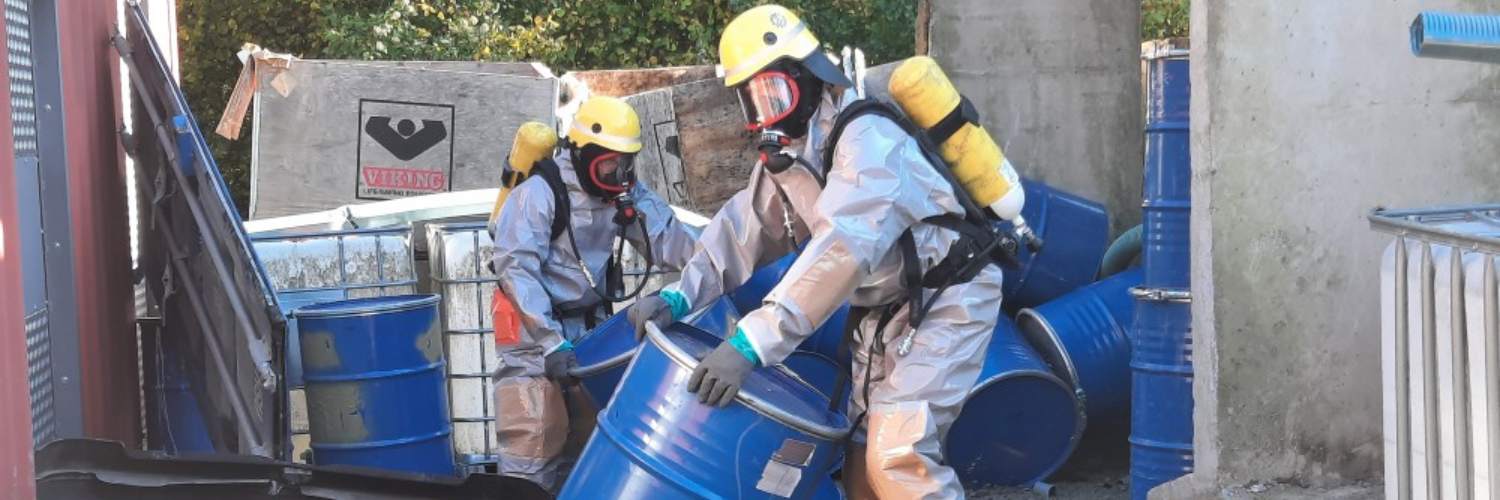
© THW
What are CBRN Hazards?
CBRN hazards encompass chemical, biological, radiological and nuclear substances or incidents that may pose a threat to people, the environment, infrastructure and critical supply systems. The term does not refer exclusively to military threats, but also includes accidents, technical failures, natural disasters and the deliberate release of hazardous substances. CBRN materials can exist in various physical states and cause both acute and long-term health, environmental and societal consequences. Due to their potential for harm, CBRN threats are significant challenges for civil protection and the international security preparedness (NATO 2009 ; NATO 2026).
The impact of CBRN threats is not limited to direct harm to people. Critical infrastructure such as energy supply, healthcare, communications networks, water supply and wastewater disposal, as well as transport and logistics systems, can be severely disrupted. This can lead to supply shortages, economic damage and social instability. The World Health Organisation (WHO) points out that chemical and other hazardous releases can have international repercussions and therefore require comprehensive preparedness and cross-sectoral cooperation. (WHO 2009 ; WHO 2026).
The various CBRN Hazards
Chemical
Chemical hazards refer to all risks that may be caused by chemical hazardous substances. Chemical hazardous substances may exist in solid, liquid or gaseous form, or in mixed forms such as vapours or aerosols. (BBK 2026a)
Biological
Biological hazards caused by biological agents such as bacteria, viruses and fungi or toxins created by biological agents can have a wide range of effects. They can arise naturally, or as a result of accidents or deliberate release. (BBK 2026a)
Radiological
Radiological hazards can arise from radioactive substances used in medicine and research or transported by various means. The deliberate release of radioactive material for criminal or terrorism purposes can also pose a risk. (BBK 2026a)
Nuclear
The term ‘nuclear’ refers to hazards arising from nuclear chain reactions – that is, nuclear fission processes – and associated with nuclear fuels. These include, amongst other things, nuclear weapons and reactor accidents. (BBK 2026a)
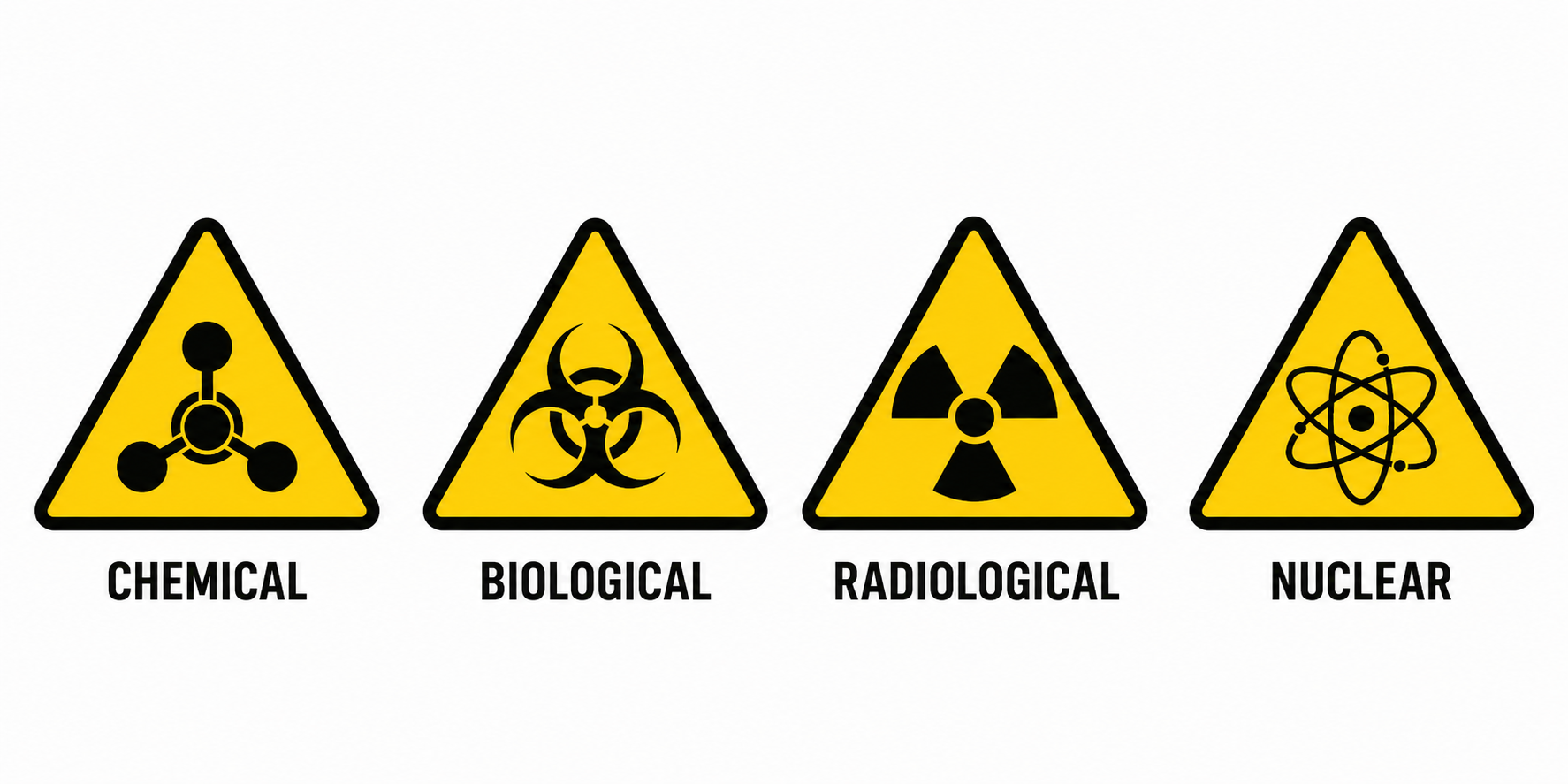
Figure 1: CBRN hazard symbols | © AI-generated
From ABC to CBRN
The umbrella term ABC, referring to nuclear, biological and chemical hazards, became established in Germany during the Cold War. It is still used today in many laws, documents and service regulations. However, the internationally recognised umbrella term CBRN hazards is now used, which distinguishes between radiological and nuclear hazards (BBK 2026a).
CBRN Protection
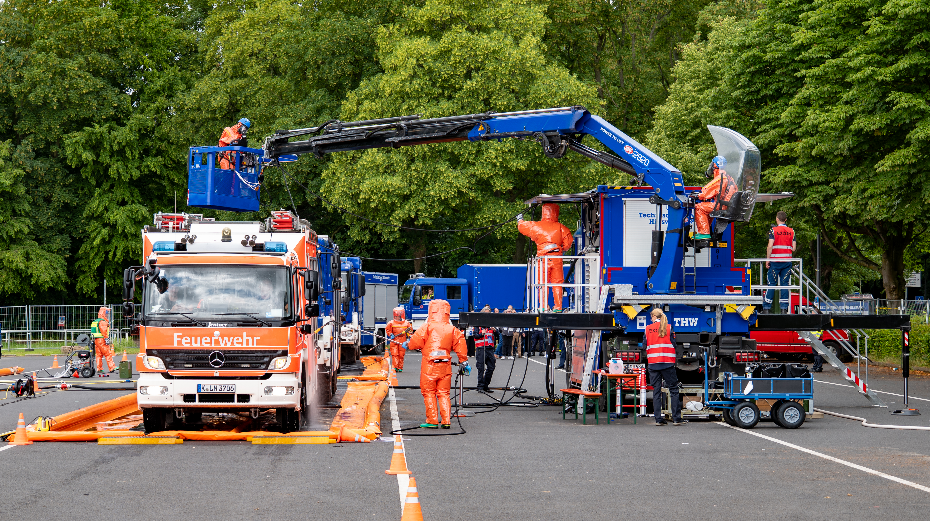
Figure 2: A CBRN special-purpose vehicle from the German Federal Agency for Technical Relief decontaminates vehicles during the resConEx’26 excercise | © THW/Niklas Wimber
CBRN Reconnaissance
In order to implement effective measures to protect the public from CBRN threats, it is first necessary to assess the situation. Specialised vehicles, measuring equipment and software can be used to investigate and report on the extent of damage.
For example, radioactive or chemical contamination can be detected, soil, water and air samples can be taken, meteorological data can be recorded, and situational assessments can be compiled.
CBRN protection encompasses all measures designed to protect the public and to manage incidents involving the release of hazardous chemical, biological, radiological or nuclear substances. The Federal Office for Civil Protection and Disaster Assistance (BBK) develops strategies, procedures and technical solutions for the detection, containment and management of such hazardous situations. In doing so, the BBK works closely with authorities, organisations and emergency services, supporting them through training, exercises, research and the provision of suitable equipment and operational concepts. Such training is offered by the Federal Academy for Civil Protection and Civil Defence (BABZ).
The police, the fire service, disaster relief organisations as well as the Federal Agency for Technical Relief all have specialised units for CBRN containment. Special protective equipment is used to protect emergency services personnel, designed to prevent or minimise contact with hazardous substances. In addition, decontamination plays a vital role. It serves to remove hazardous substances from people, equipment or incident sites in order to prevent the spread of contamination and reduce the risk to those affected and emergency services personnel. In the case of contaminated individuals, removing contaminated clothing in particular is an effective immediate measure. Depending on the type of contamination, different procedures are used. For example, objects contaminated with radioactivity are cleaned with water, objects that have come into contact with viruses or bacteria are disinfected, and special decontamination agents are used for chemical substances (BBK 2026a ; 2026d ; BBK 2026e ; BBK 2026f ; BBK 2026g ; LRP 2026).
The “RESCEU” CBRN-Unit
Through the ‘rescEU CBRN Decon Germany’ unit, Germany is working with European partners to build up specialised decontamination capabilities for CBRN hazards. The unit forms part of the EU’s strategic reserve, rescEU, and is deployed across Europe in the event of major incidents under the European Civil Protection Mechanism.
The Federal Agency for Technical Relief (THW) plays a central role in this. In early 2026, five new mobile decontamination containers were commissioned; these form the core of the THW’s contribution to the unit. The containers enable the decontamination of roads, buildings, vehicles and infrastructure following contamination with hazardous substances. Specially trained personnel can use them to carry out all essential decontamination steps.
The modular, self-sufficient containers are equipped, amongst other things, with power supply systems, mixing units for decontamination agents and application equipment. Thanks to their compact design, they can be flexibly loaded onto lorries and rapidly deployed throughout Europe.
The German rescEU capacity is being established jointly by the THW, the Federal Police and the Federal Office for Civil Protection and Disaster Assistance (BBK). It comprises several specialised sub-components for the decontamination of people, vehicles, buildings, infrastructure, as well as contaminated objects and evidence. These are supplemented by logistics and support units that provide self-sufficient
The capacity is funded by the European Union. Once the set-up phase is complete, the unit is expected to reach full operational readiness by the end of 2026 and be available for deployment across Europe as required. The aim is to strengthen Europe’s collective resilience to large-scale CBRN incidents and to provide swift and effective support to affected countries (THW 2026).
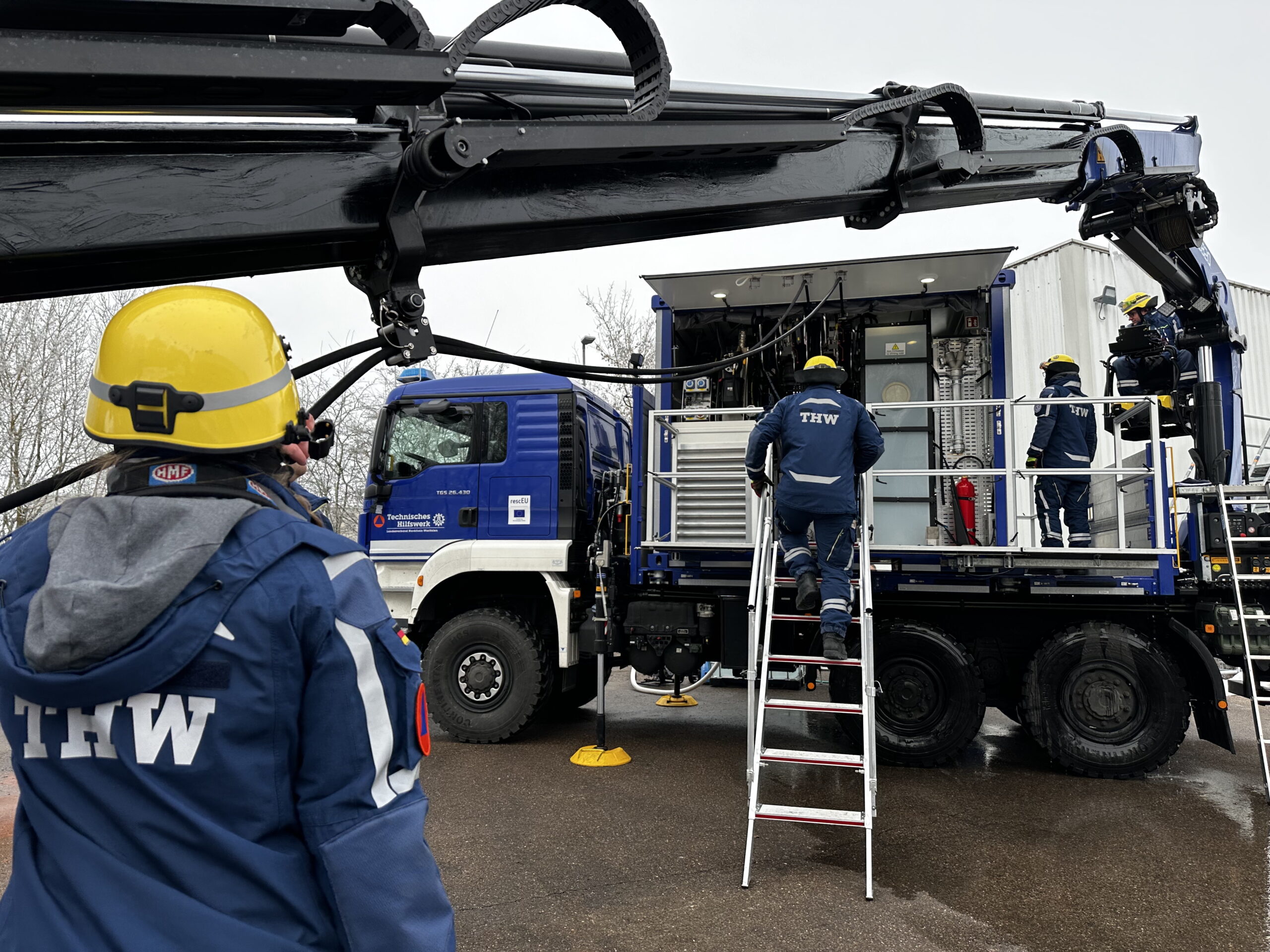
Figure 3 & 4: THW CBRN-Decon-Container | © THW/Dirk Meißner
Personal protection in the event of a release of CBRN hazardous substances
In the event of an incident, it is important to remain calm. CBRN situations are often associated with significant psychological stress. To avoid misinformation and uncertainty, official warnings and instructions from the relevant authorities should be followed. The authorities’ risk and crisis communication serves to inform the public of potential dangers at an early stage and to provide guidance on appropriate protective measures.
If a person is in a potentially contaminated area, they should immediately leave the danger zone and keep their distance from the source of the danger. Direct contact with unknown substances, liquids, powders or suspicious objects must be avoided. Care should also be taken to prevent any hazardous substances from being spread via clothing, shoes or objects.
Decontamination is an important component of CBRN protection. If contamination is suspected or detected, the instructions of the emergency services must be followed. The aim of decontamination is to remove or reduce hazardous substances on people, clothing or equipment in order to prevent damage to health and the further spread of contamination.
Furthermore, being well prepared contributes to your own safety. The Federal Office for Civil Protection and Disaster Assistance’s framework concept emphasises the importance of the public’s ability to help themselves. This includes, in particular, keeping informed about potential hazards, heeding warning messages and being prepared to follow official recommendations.
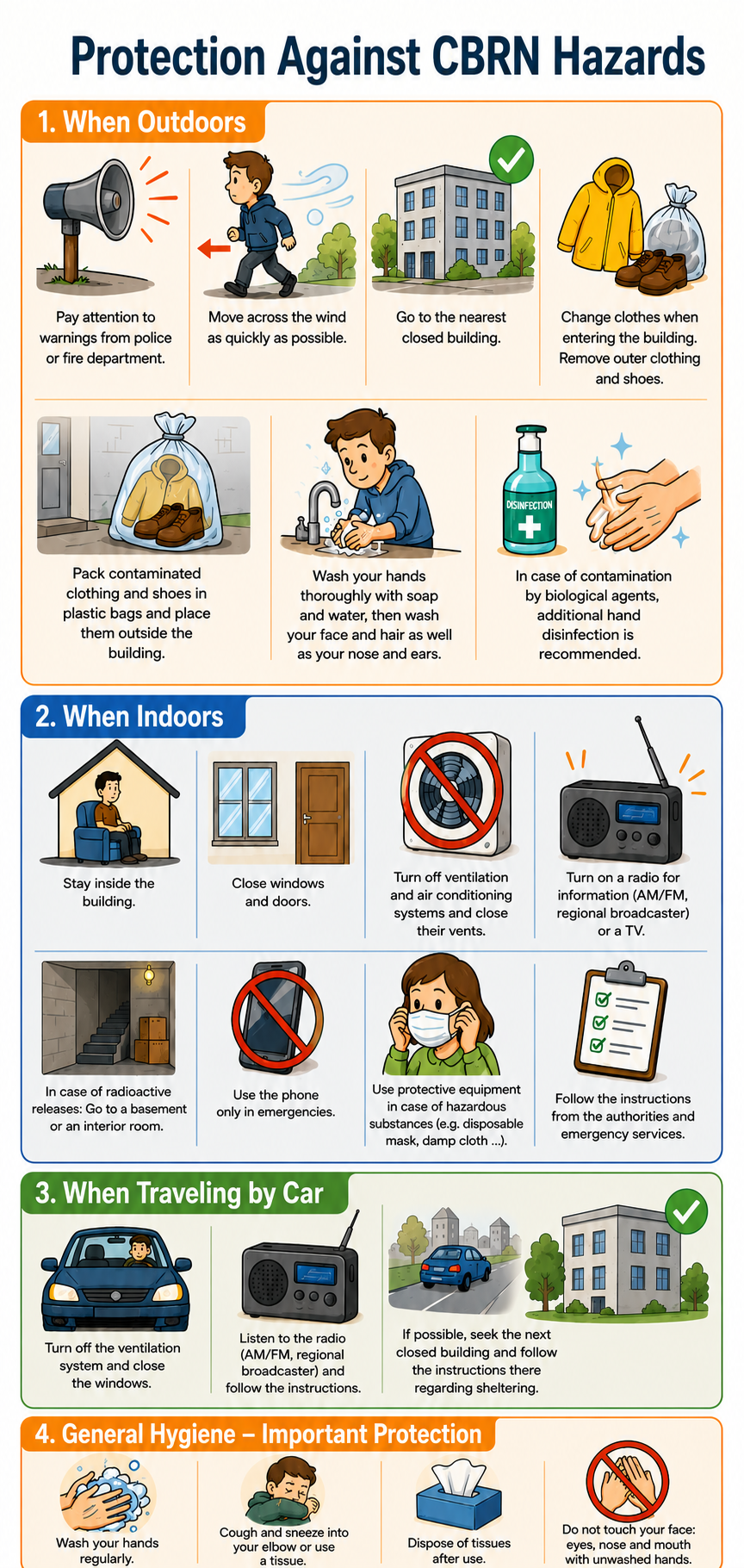
Figure 5: What to do in the event of a CBRN incident | © AI-generated image on the basis of BBK 2016
Past CBRN incidents
The Chernobyl nuclear disaster of 1986
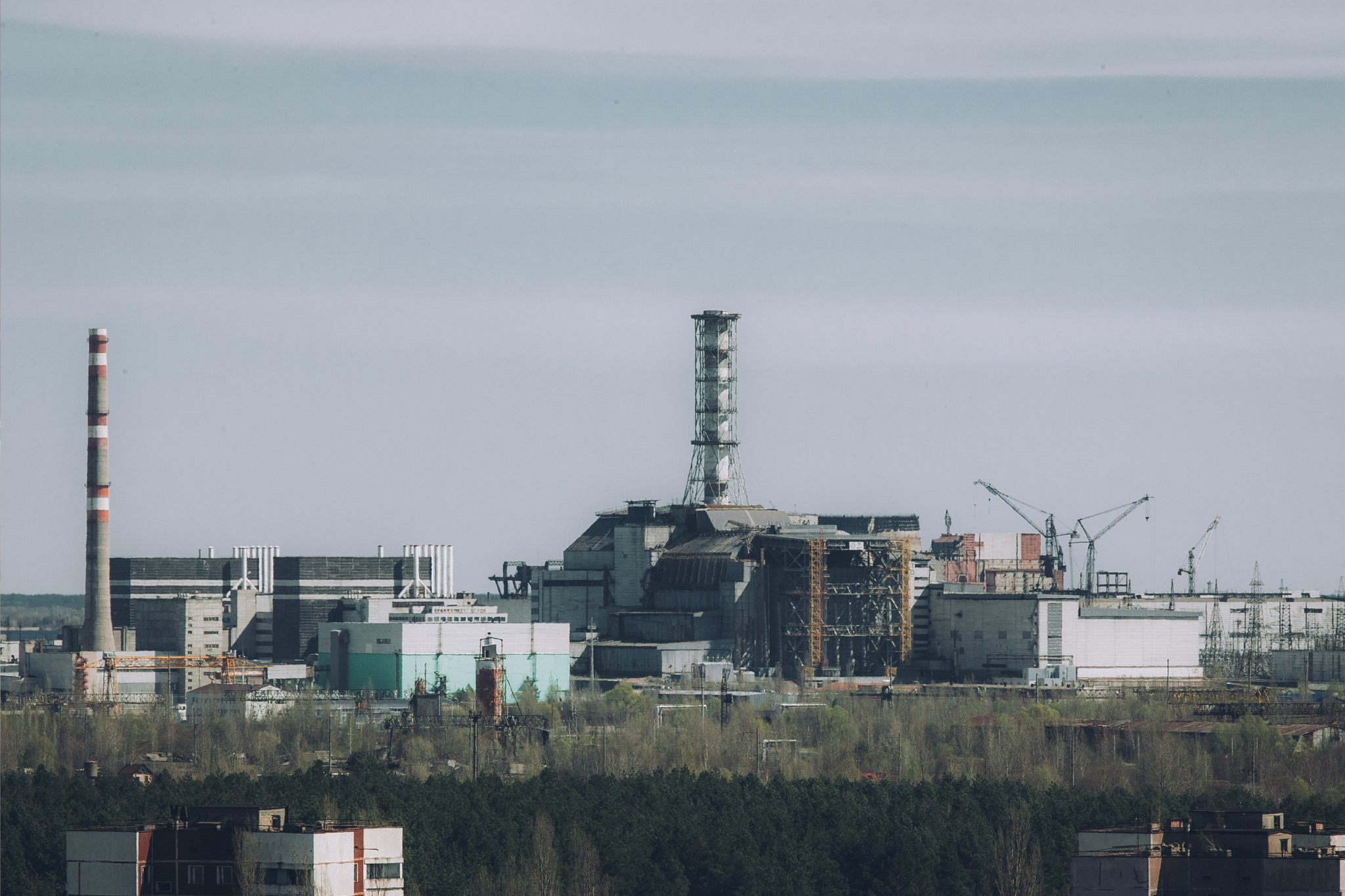
On 26 April 1986, the Soviet nuclear power plant in Chernobyl suffered the most serious accident in the history of civil nuclear power. During a simulation of a power cut, a combination of technical construction errors and human error triggered a chain reaction, causing the reactor to explode and catch fire. As a result, large quantities of radioactive material were released in the days that followed and spread across the whole of Europe.
350,000 people had to be evacuated. Over 8 million people were directly affected by the incident. To this day, the region surrounding the power station, covering an area of 150,000 square kilometres, remains contaminated by nuclear fallout.
Over 600,000 volunteers from across the Soviet Union are deployed to assist with the clean-up operations. There are still no precise figures on the death toll. However, 93,000 people alone die of cancer as a result of the disaster. The estimated number of unreported deaths and those suffering long-term health effects is believed to be much higher. (BMUKN 2026 ; Greenpeace 2026)
Figure 6: Chernobyl Nuclear Power Plant | © Unsplash
The 1995 Tokyo sarin gas attack

On 20 March 1995, followers of the Japanese “Aum Shinrikyo” cult carried out an attack using the deadly nerve agent sarin on several underground trains in the capital, Tokyo. The attackers released a total of eleven sachets of sarin. Over 6,000 people were injured, some seriously. Thirteen people died.
Sarin is classified as a chemical weapon and was developed by the Nazis in 1938. It can be absorbed through the skin or respiratory tract and penetrates clothing and porous materials. A single drop is already a lethal dose. Contact with the poison can cause severe breathing difficulties, nausea and vomiting, severe headaches, loss of consciousness and fatal convulsions. Long-term symptoms may also result. (WDR 2005 ; Brandet 2018 ; Deutschlandfunk 2025)
Figure 7: Subway station in Tokyo | © Unsplash
More Links
Created: June 2026
Aktuelle Informationen

SURE Research Survey
The SURE Facilitation and Synthesis Project (F&SR) at HafenCity University Hamburg invites members of the SURE community to take part in an online survey. The aim is to gain a better understanding of how decision-makers shape sustainable urban development and what...
“See. Feel. Act. – An Inclusive Game for Disaster Preparedness”
As part of the Resilient Voices project, two focus group discussions were conducted in Buxtehude in mid-May, each involving eight participants: one with residents of Lebenshilfe Buxtehude and one with participants of a DeuFö B2 language course at the VHS Buxtehude....

Activities Report 2025 Now Also Available in English
An eventful year lies behind us: With the Activities Report 2025, DKKV provides a comprehensive overview of its activities, events, and developments over the past year – now also available in English. Structured around DKKV’s three core areas of work – fostering...