

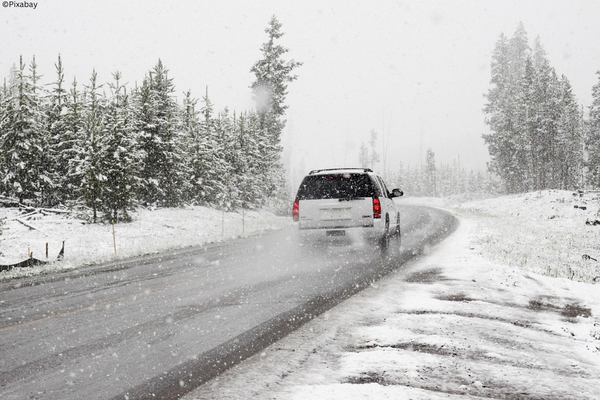
A powerful winter storm swept across large parts of the United States over the weekend, placing more than 140 million people under winter storm warnings. Snow, sleet, and freezing rain led to hazardous road conditions, major travel disruptions, and widespread power outages across numerous states.
Snowfall and ice accumulation were already reported on Saturday morning in states including Oklahoma, Texas, Tennessee, Kansas, Missouri, and Iowa. Several states, along with Washington D.C., declared states of emergency. By the weekend, more than 130,000 households were without electricity, thousands of flights had been canceled, and many roads were closed. Energy providers prepared for prolonged outages as thick layers of ice formed on trees and power lines.
Particularly critical is the combination of heavy precipitation and extremely low temperatures. Meteorologists warn that snow and ice will melt only very slowly, significantly hampering recovery and restoration efforts. Snowfall totals of more than 30 centimeters are expected from the southern plains to the north-east, while other regions face what forecasters describe as “catastrophic ice accumulation”.
Beyond infrastructure impacts, the cold poses a direct threat to people. In New York, several fatalities were reported in connection with the extreme weather conditions.
The winter storm highlights how even regions unaccustomed to such severe weather can be heavily affected by combined extremes of snow, ice, wind, and cold — placing both critical infrastructure and communities under significant strain.
More Information here.
(Image source: Pixabay)