

The DKKV is…
German Committee for Disaster Reduction e.V. (ger.: Deutsches Komitee Katastrophenvorsorge e.V.)
Newsblog
Global Summit for Disaster Risk Reduction
From March 24 to 27, 2026, the Global Summit for Disaster Risk Reduction, organised by the Global Network of Civil Society Organizations for Disaster Reduction (GNDR), will take place online. This event will bring together civil society organisations from around the...
15 years after Fukushima
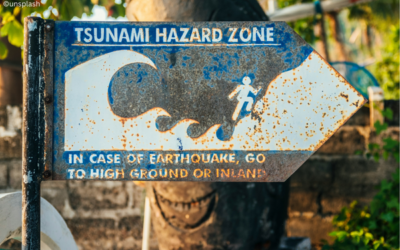
On March 11, 2011, a magnitude 9.0 undersea earthquake struck the east coast of Japan. The quake triggered a devastating tsunami that destroyed large parts of the coastal region and ultimately led to the nuclear disaster at the Fukushima Daiichi nuclear power plant....
New Guide to Crisis Preparedness Now Available in English
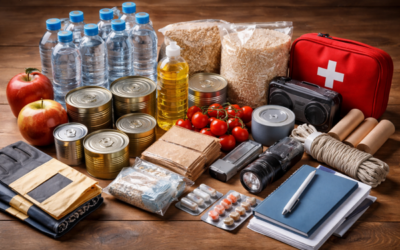
The Federal Office of Civil Protection and Disaster Assistance (BBK) has published a comprehensively revised edition of its guide “Prepared for Emergencies and Disasters.” The brochure provides practical preparedness and response recommendations for a range of...

New Report: The Economic Case for Investing in Disaster Preparedness and Resilience
The new report “Germany: The Economic Case for Investing in Disaster Preparedness and Resilience” by the World Bank has been published. It demonstrates why investing in disaster preparedness and resilience in Germany is not only necessary, but also economically sound....
Follow us
What is disaster risk reduction?
Storms, natural hazards and extreme events can quickly become a danger to people and the environment. But climate change, extreme urbanisation, power outages and fires also offer potential hazards.
A disaster occurs when the functioning of a community or society is impaired or interrupted and, as a result, high human, material, economic and ecological losses occur that cannot be managed alone.
Precautionary measures can help to reduce the consequences and impact of the disaster. Depending on the hazard and personal circumstances, the precautionary measures to be taken may vary.
Find out more about potential hazards and individual precautionary measures on our topic pages.