

The DKKV is…
German Committee for Disaster Reduction e.V. (ger.: Deutsches Komitee Katastrophenvorsorge e.V.)
Newsblog
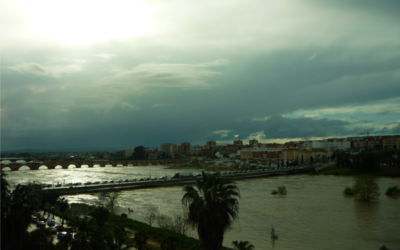
Extreme weather in Spain: Storm system causes severe flooding on the Mediterranean coast
A violent storm system has caused extreme rainfall and severe flooding in south-eastern Spain. In the provinces of Valencia and Alicante in particular, more than 600 litres of rain per square metre fell in some places within 24 hours; in some places more than double...
International Day for Disaster Risk Reduction (IDDRR) | Event List
The International Day for Disaster Risk Reduction (IDDRR) takes place annually on 13 October and aims to raise awareness of disaster risks and their impacts. Established by the United Nations, this international observance highlights the importance of prevention,...
Responsible AI in a Global Context Professional Certificate by the United Nations University
Artificial intelligence is increasingly transforming society, the economy and public institutions. With the free Professional Certificate “Responsible AI in a Global Context”, the United Nations University (UNU), in collaboration with Microsoft and LinkedIn Learning,...
DCNA Webtalk: Animals in Disasters
This coming Thursday, October 1, 2026, from 13:00 to 14:30 CEST, the Disaster Competence Network Austria (DCNA) is hosting an online talk focusing on the integration of animals into disaster risk management. Extreme weather events such as heatwaves and floods...
Follow us
What is disaster risk reduction?
Storms, natural hazards and extreme events can quickly become a danger to people and the environment. But climate change, extreme urbanisation, power outages and fires also offer potential hazards.
A disaster occurs when the functioning of a community or society is impaired or interrupted and, as a result, high human, material, economic and ecological losses occur that cannot be managed alone.
Precautionary measures can help to reduce the consequences and impact of the disaster. Depending on the hazard and personal circumstances, the precautionary measures to be taken may vary.
Find out more about potential hazards and individual precautionary measures on our topic pages.