

The DKKV is…
German Committee for Disaster Reduction e.V. (ger.: Deutsches Komitee Katastrophenvorsorge e.V.)
Newsblog

New Online Course: Using Insurance to Strengthen Urban Resilience
What role can insurance play in protecting cities against natural hazards? Can it do more than cover financial losses by also attracting investment and supporting more resilient urban development? These questions are explored in the online course “From Risk to...
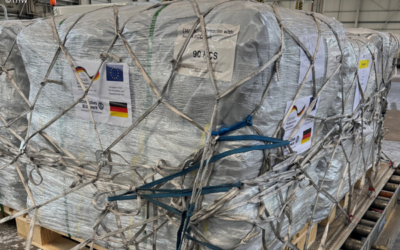
THW Delivers Relief Supplies to Panama Following Severe Earthquake
Following a powerful earthquake in southwestern Panama, the German Federal Agency for Technical Relief (THW) has dispatched almost 20 tonnes of humanitarian relief supplies worth more than €150,000 to the affected region. The delivery aims to support people affected...
Conference on Disaster Risk Reduction 2027: Save the Date
The next Conference on Disaster Risk Reduction will take place on 27 and 28 October 2027 in Berlin. The event is currently being planned in a new format. Further information on the thematic focus and programme will be published over the coming months. Since 2016, the...
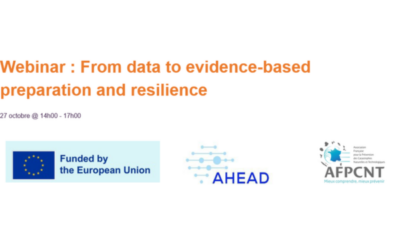
Webinar Invitation: From Data to Evidence-Based Disaster Risk Management and Resilience
AHEAD Project and AFPCNT invites interested practitioners, researchers, and decision-makers to join an interactive webinar on the structuring, capitalization, and use of disaster damage and cost data. 📅 Date: 27 October🕑 Time: 14:00-17:00 CET The webinar will explore...
Follow us
What is disaster risk reduction?
Storms, natural hazards and extreme events can quickly become a danger to people and the environment. But climate change, extreme urbanisation, power outages and fires also offer potential hazards.
A disaster occurs when the functioning of a community or society is impaired or interrupted and, as a result, high human, material, economic and ecological losses occur that cannot be managed alone.
Precautionary measures can help to reduce the consequences and impact of the disaster. Depending on the hazard and personal circumstances, the precautionary measures to be taken may vary.
Find out more about potential hazards and individual precautionary measures on our topic pages.